
How to Improve Gut Health: The Complete Guide to Feeling Better From the Inside Out
If you’ve been wondering how to improve gut health, you’re asking one of the most important questions for your overall well-being — because your gut affects far more than digestion. In fact, it shapes your energy, your immune system, your mood, and even your ability to think clearly.
You wake up tired. Your stomach is bloated before lunch, and by mid-afternoon your brain feels foggy. You’re eating reasonably well, yet something still feels off — and you can’t figure out why.
Here’s what most people miss: the answer is often hiding in the gut.
In this guide, you’ll learn exactly what’s happening inside your body, how to spot the warning signs, and the practical steps you can take starting this week. No extreme diets, no expensive protocols — just what the science actually says.
What Is Gut Health?
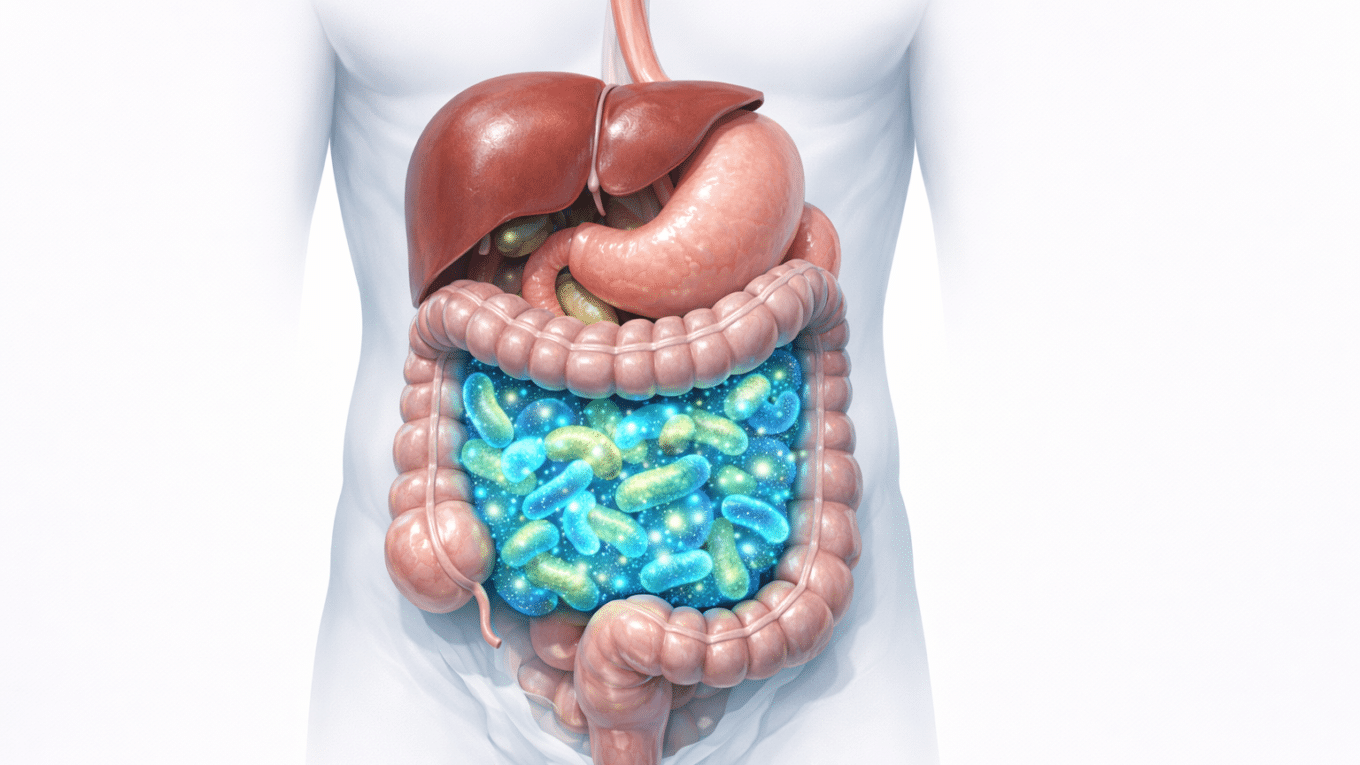
Your gut is home to roughly 38 trillion microorganisms — bacteria, fungi, and viruses — known together as the gut microbiome. Fortunately, most of them are on your side.
When this community of microbes is diverse and balanced, your body works the way it’s supposed to:
• Food is properly broken down and nutrients are absorbed
• Your immune system stays strong and calibrated
• Vitamins like B12, K2, and biotin are produced internally
• Inflammation stays under control
• Your mood and mental clarity are supported
However, when that balance is disrupted — through poor diet, chronic stress, antibiotics, or lack of sleep — things start to fall apart. Often in ways that seem completely unrelated to your stomach.
That’s precisely why learning how to improve gut health is one of the most impactful things you can do for your overall well-being.
Signs Your Gut May Be Struggling
Gut problems don’t always show up as obvious stomach pain. Instead, the signs are often subtle — easy to dismiss or blame on something else entirely.
Watch for these common signals:
• Bloating or excessive gas after meals
• Constipation, diarrhea, or alternating between both
• Frequent acid reflux or heartburn
• New food sensitivities that didn’t exist before
• Energy crashes after eating
• Difficulty concentrating or persistent brain fog
• Skin issues like acne, eczema, or unexplained rashes
• Getting sick more often than those around you
If several of these sound familiar, your gut may be trying to tell you something important.
The good news is that your microbiome is highly adaptable. In fact, research shows it can begin shifting in response to dietary changes within just 3 to 4 days. (David et al., Nature, 2014)
How to Improve Gut Health Naturally
You don’t need a complicated protocol to see real results. Instead, the foundation of how to improve gut health naturally comes down to consistent daily habits — what you eat and choosing the right gut health foods, how you sleep, and how you handle stress. Here’s what actually works.
Eat a Wide Variety of Plants
The American Gut Project — one of the largest microbiome studies ever conducted — found that people who ate 30 or more different plant foods per week had significantly more diverse gut bacteria than those eating 10 or fewer. Simply put, diversity in your diet creates diversity in your gut.
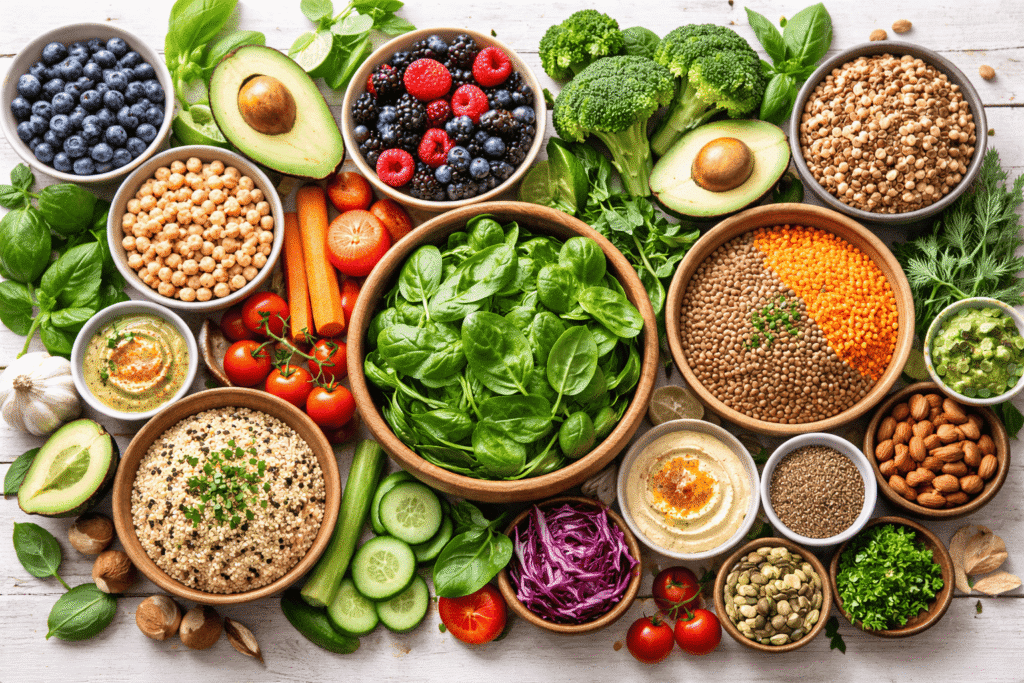
Getting started is easier than it sounds. Try adding one new vegetable, legume, or grain to your grocery list each week. For example, lentils on Monday, roasted beets on Wednesday, and a handful of walnuts as a snack. These small additions compound quickly over time.
Specifically, focus on:
• Leafy greens and colorful vegetables
• Fruits like berries, apples, and bananas
• Legumes — lentils, chickpeas, black beans
• Whole grains — oats, quinoa, barley
• Nuts and seeds
Add Fermented Foods Every Day
A 2021 Stanford study published in Cell found that a diet rich in fermented foods increased microbiome diversity and reduced immune inflammation — even faster than a high-fiber diet alone. (Wastyk et al., Cell, 2021) The reason is simple: fermented foods introduce live beneficial bacteria directly into your system.
Some easy options to start with:
• Plain yogurt with live cultures (always check the label)
• Kefir — particularly helpful for people who are mildly lactose sensitive
• Sauerkraut or kimchi — just one tablespoon per meal is enough
• Miso — add it after cooking to preserve the live bacteria
• Kombucha — opt for low-sugar versions
Importantly, you don’t need large amounts. Consistency matters far more than quantity.
Cut Back on Ultra-Processed Foods
Not all processed foods are the problem. For instance, frozen vegetables, canned beans, and whole-grain bread are technically processed — but they’re not the issue.
The real culprit is ultra-processed food: items engineered with artificial emulsifiers, refined oils, preservatives, and high-fructose corn syrup. According to research from Stanford’s Sonnenburg Lab, common emulsifiers like carboxymethylcellulose can degrade your gut’s protective mucus layer and disrupt bacterial balance.
This doesn’t mean you need to be perfect. However, if 60–70% of your diet comes from whole, minimally processed foods, your gut will notice a real difference.
Manage Stress — Because Your Gut Feels It Too
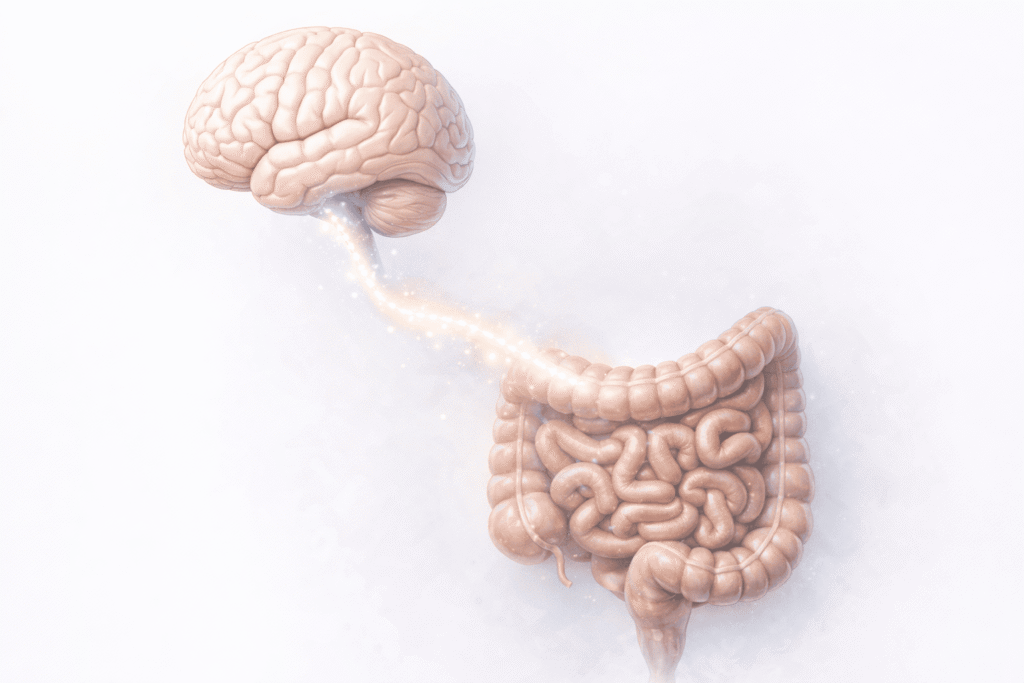
Your gut and your brain are directly connected through the vagus nerve — a two-way communication system called the gut-brain axis. As a result, when you’re chronically stressed, cortisol disrupts digestion, increases intestinal permeability (often called “leaky gut”), and actively changes your microbiome.
The goal isn’t to eliminate stress — that’s not realistic. Instead, focus on building daily habits that activate your body’s “rest and digest” mode:
• 10 minutes of deep diaphragmatic breathing
• A short walk after meals
• Journaling before bed
• Reducing screen time in the evening
Protect Your Sleep
Sleep deprivation affects your gut more than most people realize. A 2019 study in the journal Sleep found that poor sleep quality was directly associated with reduced microbial diversity.
Moreover, your gut produces about 90% of your body’s serotonin — the same neurotransmitter that regulates your sleep-wake cycle. As a result, disrupting one consistently disrupts the other.
Aim for 7–9 hours of quality sleep each night. Going to bed and waking up at the same time daily — even on weekends — makes a measurable difference for both your gut and your energy levels.
Stay Well Hydrated
Water helps soluble fiber form a gel-like substance that feeds beneficial bacteria and keeps digestion moving smoothly. Without enough hydration, even a high-fiber diet can lead to constipation and discomfort.
A simple and reliable benchmark: your urine should stay pale yellow throughout the day. Rather than counting glasses, let your body be your guide.
Best Probiotics for Gut Health
The probiotic market is worth billions — and unfortunately, a large portion of it is marketing rather than science. Many supplements contain strains that don’t survive the journey to your large intestine, or species that simply don’t match your individual microbiome.
That said, certain strains do have strong clinical evidence behind them:
• Lactobacillus rhamnosus GG — well-studied for diarrhea and antibiotic recovery
• Bifidobacterium longum — linked to reduced stress-related gut symptoms
• Saccharomyces boulardii — effective during and after antibiotic use
• Lactobacillus acidophilus — widely used for general digestive support
Beyond probiotics, prebiotic fiber is equally important. Rather than adding new bacteria, it feeds the beneficial ones already living in your gut. Good sources include chicory root, garlic, onions, green bananas, and asparagus.
For a complete breakdown of which strains actually work, read our guide on probiotics for gut health.
Before adding any supplement, speak with a registered dietitian or gastroenterologist. Because the right probiotic depends on your specific situation, a general recommendation rarely fits everyone.
How to Heal Your Gut
If your gut is already struggling, the approach needs to shift slightly. How to heal your gut isn’t just about adding good things — it’s also about removing what’s causing damage and giving your gut lining the conditions it needs to repair itself.
Here’s a step-by-step process:
Step 1 — Remove the Triggers
Start by identifying and temporarily eliminating foods that cause consistent reactions. Common culprits include gluten, dairy, and high-FODMAP foods. Importantly, this isn’t about permanent restriction — it’s about creating a calm window for your gut lining to begin recovering.
Step 2 — Support the Gut Lining
Certain nutrients directly support intestinal repair. Consider adding:
• L-glutamine — an amino acid that fuels gut lining cells
• Zinc carnosine — shown to support mucosal integrity
• Collagen peptides — provide building blocks for gut tissue repair
Step 3 — Reintroduce and Rebuild
Once your symptoms improve, slowly reintroduce eliminated foods — one at a time, with a few days between each. During this phase, keeping a food and symptom diary is invaluable. Patterns you never noticed before will start to become clear.
Step 4 — Be Patient With the Process
How to heal your gut is simply not a 7-day cleanse. Meaningful recovery typically takes between 4 and 12 weeks of consistent effort, depending on how disrupted your microbiome is. Expect progress — not perfection.
To understand what’s helping and what’s hurting your microbiome, read our complete guide on foods for gut health.
How to Fix Gut Health After Antibiotics
Antibiotics save lives — but they don’t discriminate between harmful and helpful bacteria. They wipe out many of the beneficial strains your microbiome depends on. So if you’re wondering how to fix gut health after a course of antibiotics, here’s what actually helps:
Take probiotics during and after treatment. Specifically, Lactobacillus rhamnosus GG and Saccharomyces boulardii have strong evidence for reducing antibiotic-related disruption. Start them during the course and continue for at least 2 weeks afterward.
Eat prebiotic-rich foods consistently. Garlic, leeks, onions, asparagus, and Jerusalem artichokes help surviving beneficial bacteria multiply faster and rebuild their population.
Give your body time to recover. Post-antibiotic microbiome recovery can take anywhere from a few weeks to several months, depending on the type of antibiotic, the duration, and your baseline gut health. Fortunately, it is reversible — but it does take patience.
Avoid unnecessary antibiotics going forward. Each course leaves your microbiome slightly different than before. Discussing alternatives with your doctor when appropriate is a smart part of any long-term gut health strategy.
Common Gut Health Mistakes to Avoid
Most people make the same predictable errors when they first start focusing on gut health. Here’s what to watch out for:
• Changing everything at once — eliminating multiple food groups overnight creates confusion and nutritional gaps
• Over-supplementing — stacking probiotics, enzymes, and fiber powders makes it impossible to know what’s actually helping
• Ignoring stress and sleep — because diet alone won’t fix a gut that’s being disrupted by chronic cortisol and poor rest
• Expecting fast, linear results — progress isn’t always a straight line; in fact, some days will feel worse before they feel better
• Skipping the reintroduction phase — removing foods without a structured plan to bring them back leads to unnecessary long-term restriction
A Simple Daily Plan: How to Improve Gut Health This Week
You don’t need to overhaul your entire life. Instead, start with this simple, sustainable routine:
Morning
• Drink a glass of water before your coffee
• Eat a fiber-rich breakfast — oats with berries, or eggs with sautéed spinach
• Add one fermented food — yogurt, kefir in a smoothie, or a spoonful of kimchi
Afternoon
• Include vegetables at lunch — even a simple side salad counts
• Take a 10–15 minute walk after eating to support digestion
• Stay hydrated consistently throughout the day
Evening
• Eat a balanced dinner with lean protein, fiber, and healthy fat
• Stop eating 2–3 hours before bed so your gut’s nightly cleaning cycle can activate
• Wind down without screens — try reading, light stretching, or 5 minutes of deep breathing
Frequently Asked Questions
Can I improve my gut health without taking probiotics?
Yes, absolutely. Dietary diversity, fermented foods, quality sleep, and stress management are arguably more impactful than any supplement. While probiotics can be a useful addition for some people, food remains the true foundation.
How long does it take to improve gut health?
It varies by person. Some people notice positive changes within a week, while others with more significant disruption may need 4–6 weeks of consistent effort. Either way, sustainability always beats speed.
Does bloating always mean poor gut health?
Not necessarily. Some degree of bloating is completely normal, especially after high-fiber meals or carbonated drinks. However, persistent daily bloating that affects your quality of life is worth investigating with a healthcare provider to rule out conditions like SIBO or IBS.
Is a 3-day gut reset actually effective?
No — and here’s why. Although your microbiome can begin shifting quickly, meaningful and lasting change takes weeks of consistent effort. Any product promising a complete gut reset in 72 hours is selling marketing, not biology.
How does alcohol affect gut health?
Regular or heavy drinking disrupts the microbiome, increases intestinal permeability, and feeds less beneficial bacteria. Moderate consumption has a smaller overall impact. Interestingly, red wine has shown mild prebiotic effects in some studies — though that’s certainly not a reason to start drinking if you don’t already.
For a deeper look at every supplement worth considering, explore our guide on gut health supplements.
The Bottom Line
Your gut influences far more than digestion — it actively shapes your energy, immunity, mood, and mental clarity every single day.
The path to knowing how to improve gut health isn’t about perfection. Rather, it’s about building consistent habits that support your microbiome over time.
Add more plant variety to your meals. Eat fermented foods daily. Protect your sleep like it matters — because it does. Manage your stress with intention, and hydrate consistently.
Start with just one change this week. Then add another the week after. Because small, steady steps done consistently always compound into real, lasting results.
Your gut has been working hard for you every single day. It’s worth taking care of it.
Scientific References
Sender, R., Fuchs, S., & Milo, R. (2016). Revised estimates for the number of human and bacteria cells in the body. Cell, 164(3), 337–340.
David, L.A., et al. (2014). Diet rapidly and reproducibly alters the human gut microbiome. Nature, 505, 559–563.
Wastyk, H.C., et al. (2021). Gut-microbiota-targeted diets modulate human immune status. Cell, 184(16), 4137–4153.
Cryan, J.F., et al. (2019). The microbiota-gut-brain axis. Physiological Reviews, 99(4), 1877–2013.
Disclaimer: This article is for informational purposes only and does not constitute medical advice. Always consult a qualified healthcare provider for personalized guidance.
2 thoughts on “How to Improve Gut Health: The Complete Guide to Feeling Better From the Inside Out”